
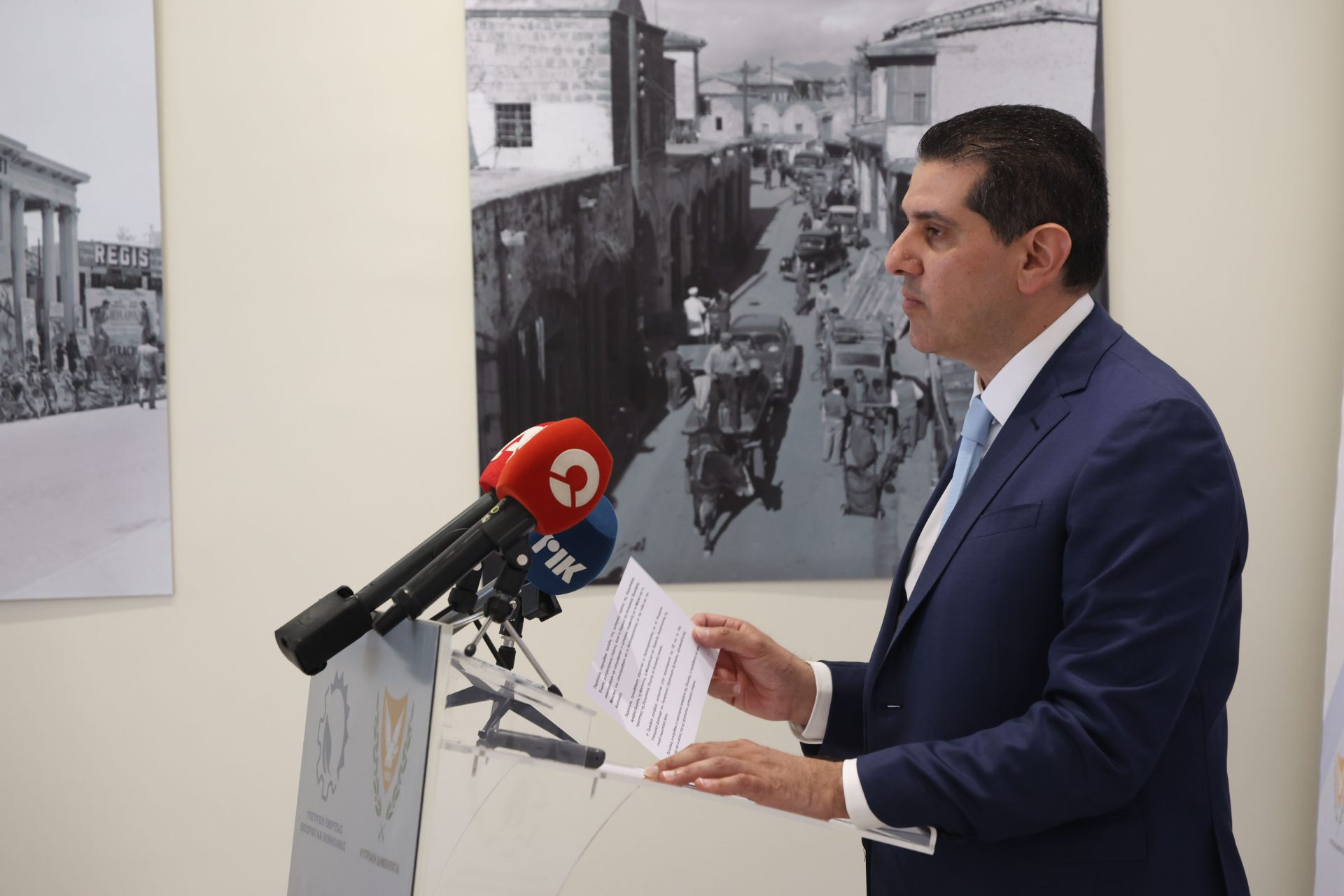
Cyprus will have several hundred megawatts of energy-storage capacity in place by the end of 2027, Energy Minister Michalis Damianos has said, a development he said would allow greater integration of renewables and improve the system’s overall adequacy.
Damianos said his ministry was reviewing a proposal from the energy regulator to activate Article 34, which would permit the immediate installation of conventional generation units.
He cautioned, though, that such a rollout “is difficult to see happening so quickly,” adding that the Transmission System Operator (TSO) had indicated no adequacy problems were expected this summer.
On storage, he said the TSO had already signed contracts for its own units, due to arrive in January 2027, with 120 MW installed before next summer. The Electricity Authority of Cyprus was also pressing ahead with its own plans, he said, while private developers already hold connection terms for more than 150 MW.
“By the end of 2027, we will have several hundred megawatts of storage in the system,” he said, a development that would allow greater renewable-energy penetration and help shore up adequacy.
He warned, however, that storage alone was no guarantee of adequacy.
“There are days with no sun, and when photovoltaics don’t operate, batteries won’t have energy either,” he said, though he added that storage would reduce curtailments and represented “a step in the right direction.”
Asked why electricity prices remained high despite the launch of the competitive market, Mr Damianos pointed to the distribution and settlement system as the main sticking point, one he said the ministry expected to resolve. “It’s more technical,” he said.
Employers’ federation (OEB) president Giorgos Pantelides said the organisation had brought together all relevant stakeholders with three goals in mind: identifying practical ways to cut energy costs for businesses and society, assessing how well the competitive market has performed nine months after its launch, and examining longer-term solutions, including natural gas, hydrogen, nuclear energy and other technologies that could help Cyprus manage price volatility and strengthen its competitiveness.