
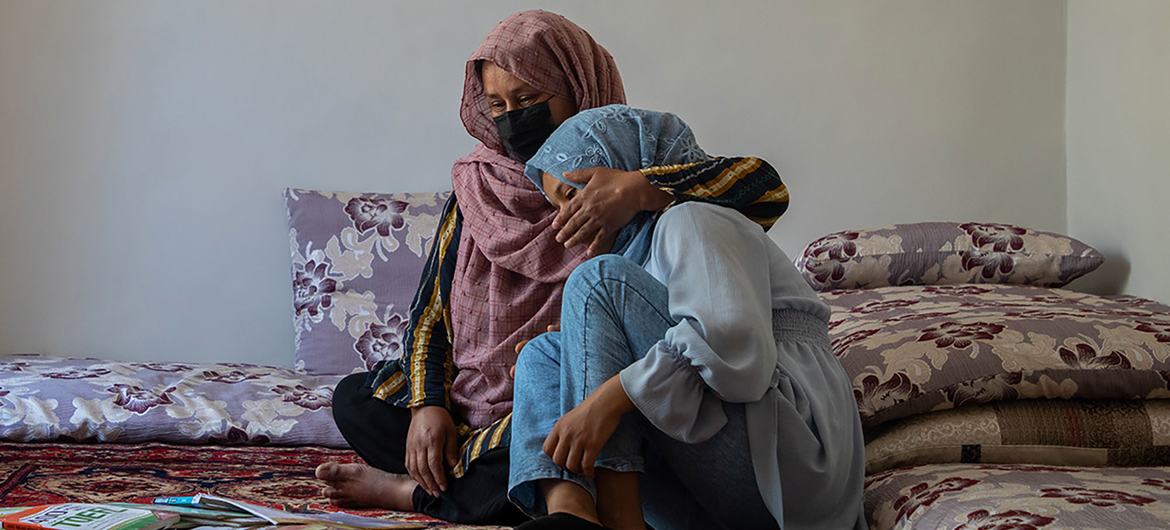
Afghanistan’s acute hunger crisis now affects 14 million people, including babies fed on nothing but weak tea and scraps of bread by parents too poor to provide anything more, the UN World Food Programme has warned.
The WFP said it lacked the resources to contain the deepening emergency. Twelve provinces have now reached critical levels of acute child malnutrition, the highest number ever recorded.
The crisis has been fuelled by conflict, unemployment, soaring food prices, shrinking aid funding and disruption to supply routes, according to John Aylieff, the WFP’s country director for Afghanistan. He described meeting a mother, Farida, whose baby began crying from hunger during their conversation. “She reached into her bag and pulled out a bottle, a child’s bottle,” he said. “Now, normally you expect the child’s bottle to be full of milk. This one only had weak tea in it. There was simply no money in the household for milk.”
The return of six million Afghans, pushed back mainly from Pakistan and Iran since September 2023, has piled further strain on the country’s already fragile economy. Conflict between Afghanistan and Pakistan, combined with the crisis in the Middle East, has disrupted trade and pushed up food costs by 20 to 30 per cent, Mr Aylieff said, pricing the poorest out of the market altogether.