Record-breaking temperatures across June and July have triggered a chain of economic disruption across Europe, exposing just how far climate change has moved from a future risk to a present-day cost.
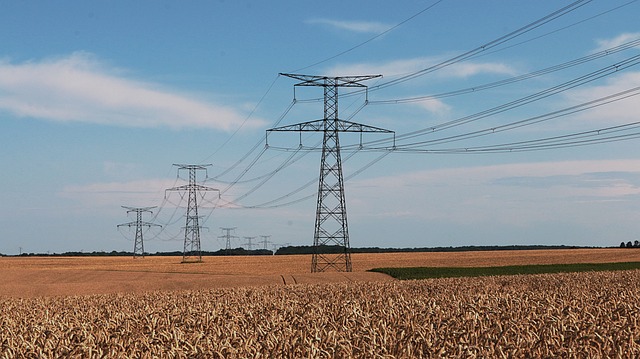
Water levels on the Rhine and Danube fell sharply, restricting freight on two of Europe’s most important river arteries, while more than six nuclear power plants were forced to cut or halt output owing to problems cooling their reactors.
In agriculture, crop forecasts were already being downgraded by July, with later-harvest crops such as maize and sunflowers seeing losses of around 6-7%.
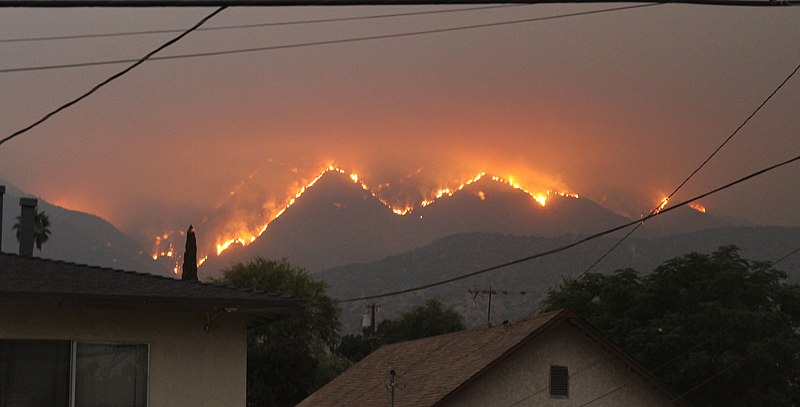
The extreme heat has also hit worker productivity directly and has already been linked to tens of thousands of deaths, with more than 10,000 heat-related fatalities recorded in Germany alone. Governments, meanwhile, are being forced to raise spending on firefighting and other emergency response, with some regions also imposing restrictions on electricity use.
The economic toll is already being quantified.
ING estimates that disrupted shipping on the Rhine will shave around 0.3 percentage points off German GDP this year, while Hungary’s MBH Bank calculates that every week the country’s largest nuclear plant remains offline costs roughly 0.1 percentage points of GDP. German insurer Allianz estimates that a two-week June heatwave alone will cut around 0.3 percentage points from European GDP.
For economies most exposed to climate change — Spain, France and Italy among them — the hit to growth could reach 5-7% by 2030, according to the report, and even that estimate may be conservative, since it excludes the full cost of wildfires, drought, floods and other extreme weather still to come. The scale of the problem is compounded by the eurozone economy’s already sluggish growth, expected at only around 1% this year.
Southern European countries face a particularly heavy toll, given their higher baseline temperatures and greater exposure to heatwaves, drought and wildfires.
Tourism is among the sectors most at risk: one ING economist questioned whether tourists would keep visiting southern Italy or Spain in 45°C heat, predicting the shape of European tourism itself will shift, with visitors increasingly avoiding peak summer in the hottest regions in favour of spring and autumn, and some demand shifting toward northern Europe. That could spread visitor numbers more evenly across the year in southern Europe, but at the cost of the traditionally lucrative summer peak that hotels, restaurants and other tourism-dependent businesses rely on.
Pricier food and fresh inflation pressure
Climate change is also driving up food prices, as extreme heat and drought reduce crop yields. A study cited by Reuters found the 2022 heatwave added 0.34 percentage points to eurozone inflation through higher food prices alone, with southern European countries bearing a disproportionate share of that burden. Transport disruption compounds the problem: restricted river shipping is making it harder to move fuel to some regions, widening regional price gaps.
Climate change presents European governments with an awkward fiscal bind: falling tax revenue from reduced economic activity on one side, and rising spending needs on disaster response and climate-resilient infrastructure on the other. Allianz estimates annual tax revenue losses from reduced output could reach 1.8% in France and 1.3% in Italy and Spain, while corporate profitability is also being squeezed, curbing investment and deepening economic losses. Many countries, the report notes, still rely more on emergency response than long-term prevention — a costlier and often less effective approach than adapting infrastructure in advance.