
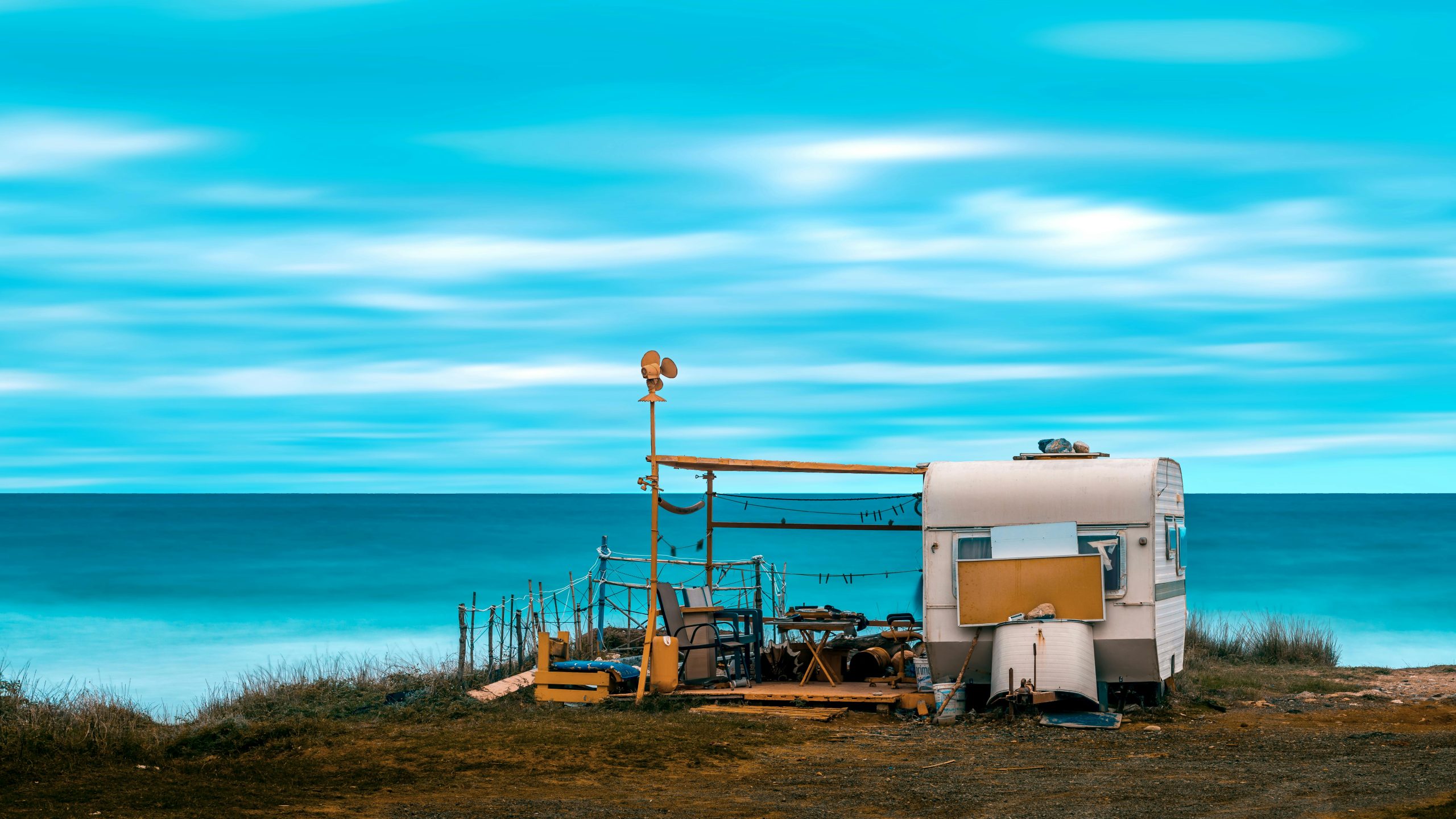
The Mediterranean in winter is a place of contrasts. Storms roll in from the Atlantic, the sea grows heavy and unpredictable, and temperatures can plummet once the sun disappears.
Yet amid the chill and the rough waters, there are many genuinely sunny, even glorious days that make the region worth exploring.
Average highs hover around 15 to 16°C, while lows dip to 9 to 11°C. Nights are cold, and evenings cool quickly, but the occasional stretch of mild weather — known as the Alkyonides Days in January — brings ten or so days above 20°C, a welcome gift in the heart of winter.
For travelers considering an island escape, Greece’s famous destinations remain open year‑round. Santorini, Mykonos, Paros, Naxos, Rhodes, Syros and Lesvos all welcome visitors even in the off‑season.
Crete, however, stands out as the favorite. Its accessibility, warm hospitality, and the fact that many hotels, tavernas and attractions continue operating through the winter make it especially appealing.
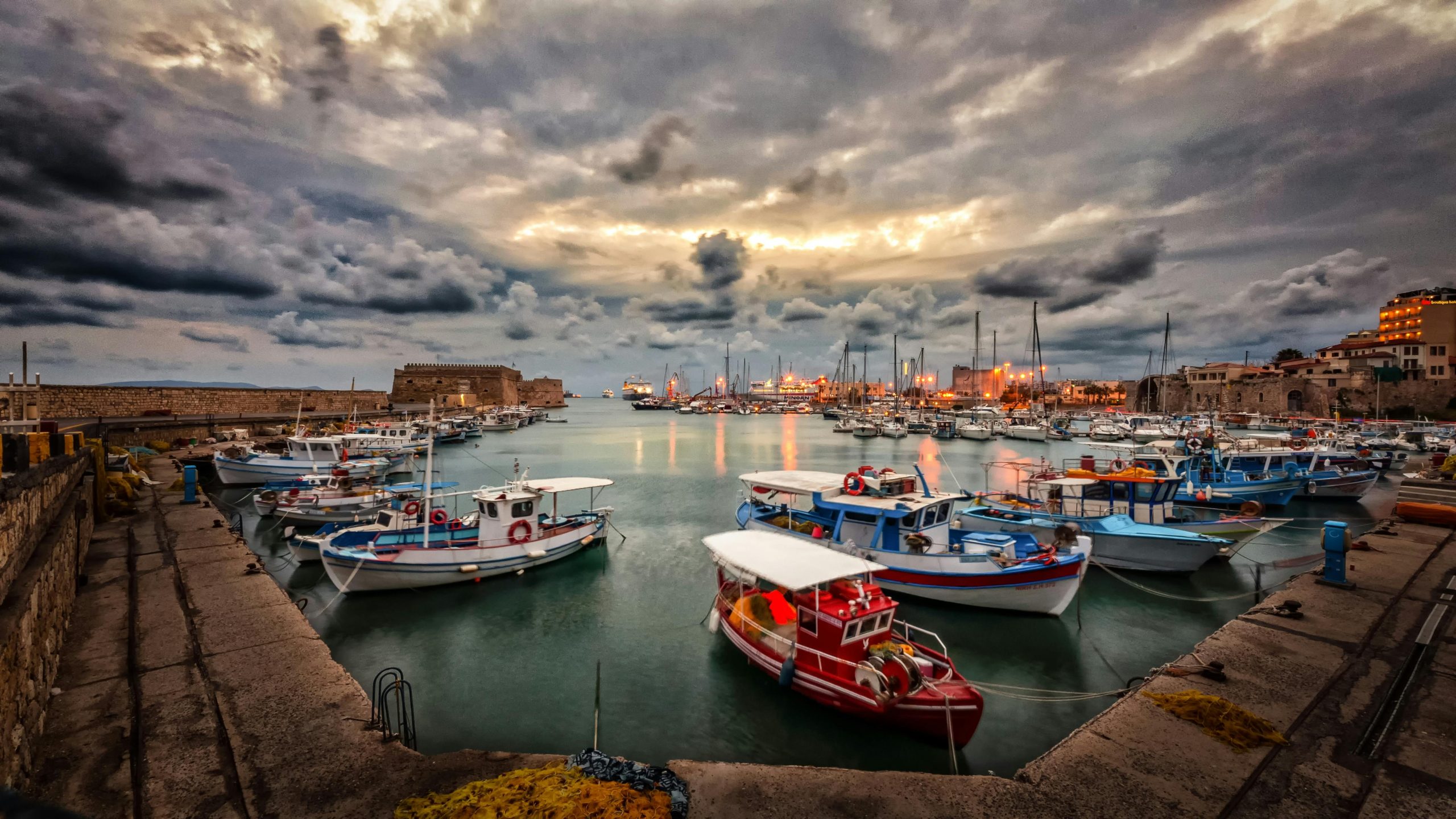
Renting a car is highly recommended, as it allows you to explore the south coast, which tends to be warmer, and to discover inland villages where the welcome is often more personal and authentic.
Crete’s four main cities offer plenty to see and do even when the summer crowds are gone.
Rethymno, with its university atmosphere, remains lively thanks to its students and residents. The Fortezza fortress, the Venetian Harbor and the Egyptian Lighthouse are highlights that retain their charm in the quieter months.
Chania, another university town, is equally vibrant. Strolling around its harbor, visiting the Firka Fortress and admiring the Venetian Lighthouse and colorful waterfront houses are experiences that feel more intimate in winter.
The island’s cultural life continues as well. In the mountain village of Anogia, the Delina Taverna hosts Sunday performances by legendary lyra player Vasilis Skoulas, offering visitors a chance to experience authentic Cretan music.
Nature excursions are also rewarding: Omalos, the entrance to the Samaria Gorge, is striking in winter, while the Askifou Plateau and the Lasithi Plateau in the east provide dramatic landscapes often dusted with snow.
Winter in Crete is also the perfect time to indulge in traditional dishes.
Without the rush of summer tourism, tavernas serve hearty meals in a more relaxed setting, and the cooler weather makes rich stews and roasted meats especially satisfying.
February is typically the coldest and wettest month, with damp days and occasional snow.
By mid‑March, however, the first signs of spring appear, with wildflowers blooming at lower altitudes and brighter days inviting countryside walks. Travelers should plan to stay in towns with permanent populations to ensure services remain available, and it is essential to choose accommodation with reliable heating.
Being in Crete without the crowds of summer visitors can be a wonderful experience.
The island reveals a quieter, more authentic side of itself, where the rhythm of daily life continues and the landscapes feel even more dramatic under winter skies.
For those willing to embrace the season, the Mediterranean in winter offers not only beauty but also depth — a chance to see these islands as they truly are.