
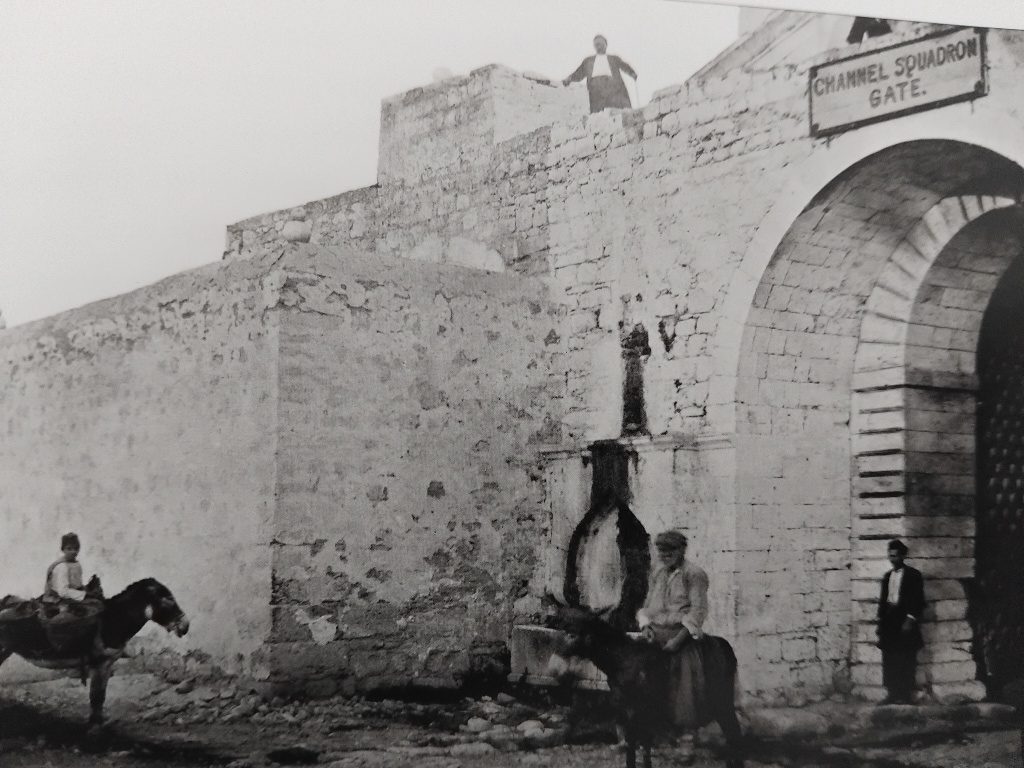
Part One of Famagusta Gazette’s exploration into the history of the Cyprus Railway. In this series, we’ll delve into the fascinating story of its development, from the early discussions about the need for improved transport infrastructure during British colonial rule to the challenges and triumphs that shaped its eventual construction and operation.
By the 1890s, as British administration on Cyprus transitioned from the Foreign Office to the Colonial Office, calls for the construction of a railway system began to resurface.
With the island’s population nearing 200,000 and trade steadily flowing through the ports of Larnaca and Limassol, the vision of a railway gained traction as a solution to link agricultural and commercial regions.
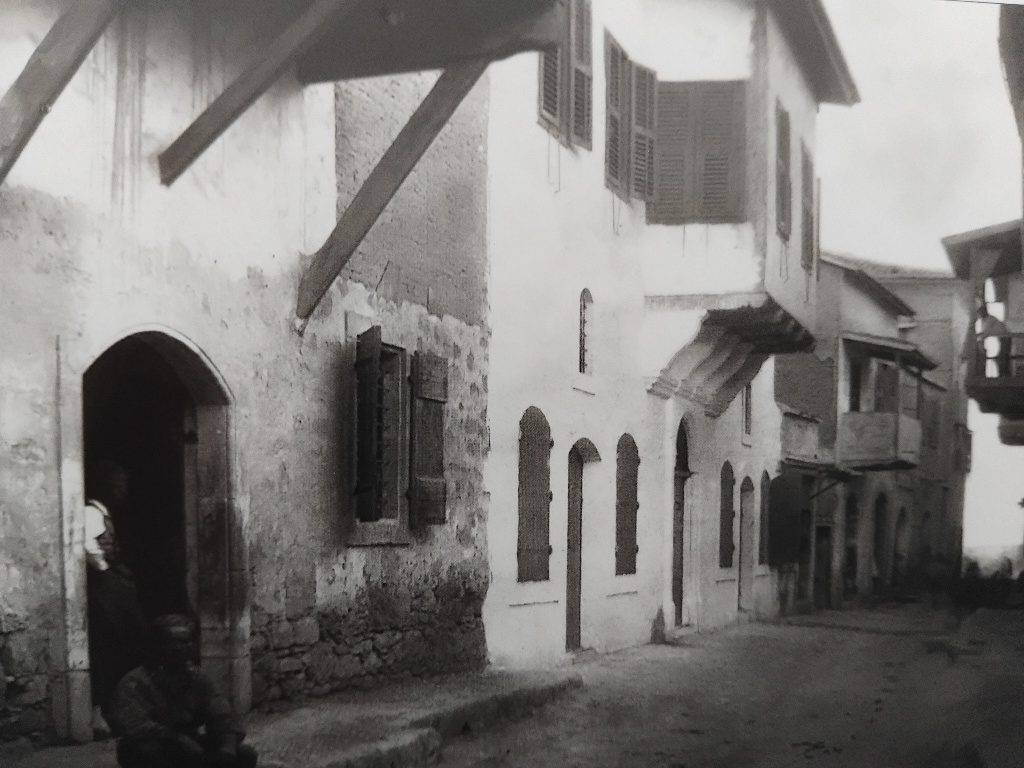
Cyprus’ economy, largely agrarian, relied on exports like timber and charcoal from the Troodos mountains, and olives, carobs, and citrus fruits from the plains. Yet with rudimentary roads and limited infrastructure, the movement of goods was inefficient, hampering trade growth.
Advocates argued that a railway could stimulate the economy by connecting the interior regions to ports more effectively.
The question of where to build the railway became a contentious issue. While a road already linked Larnaca with the capital Nicosia, others pushed for a route cutting across the Mesaoria Plain towards Famagusta, arguing that it would generate more traffic and justify the investment.
However, this also raised debates about revitalizing Famagusta’s harbor, pitting its potential against the already-established ports of Limassol and Larnaca.
The first serious proposal came in 1891 from British Member of Parliament James Provand, who offered a private plan for a 2-foot-6-inch gauge railway connecting Larnaca to Nicosia with a branch to Kythrea. Estimated at £120,000, Provand’s plan required government loans and guarantees—a request rejected by Cyprus’ Administrator, Sir Henry Bulwer, who preferred direct government control over private ventures.
A Legislative Council resolution supporting a railway followed, but little progress was made under Bulwer’s tenure.
Momentum shifted when Sir Walter Sendall succeeded Bulwer as Administrator. Sendall expressed keen interest in a railway but faced skepticism from London.
In a 1893 dispatch, the Secretary of State for the Colonies cited the island’s financial limitations as a key obstacle. Subsequent offers from Provand and others in 1894 and 1897 were similarly dismissed, though deliberations began to reveal a gradual shift in policy.
The Colonial Office admitted that while a railway was desirable, other priorities like port development and tribute remission took precedence.
In 1897, attitudes began to change under Joseph Chamberlain, the then-Secretary of State for the Colonies.
Chamberlain backed a proposal from Sendall to build a 37-mile railway connecting Nicosia to Larnaca.
He also pushed for the expansion of Famagusta’s port, seeing it as a more strategic endpoint.
Recognizing funding challenges, the Legislative Council passed the Locust Destruction Fund Part Appropriation Law in 1898, diverting resources toward a sinking fund for railway construction.
Though progress was slow and fraught with setbacks, the discussions laid the groundwork for future infrastructure investments that would reshape the island’s economy.
Next week: The railway takes shape.
(Famagusta Gazette)