
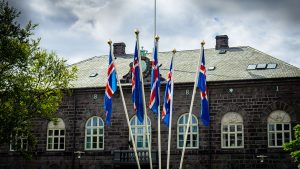
930: The Founding of the Alþingi
On June 23, 930, the Alþingi, the national parliament of Iceland, was established. It is considered one of the oldest parliaments in the world and has played a crucial role in Icelandic governance and culture. The Alþingi met at Þingvellir, a site of great historical and geological significance, where it continued to convene until the late 18th century.
1314: The Battle of Bannockburn Begins
On June 23, 1314, the Battle of Bannockburn, a decisive engagement in the First War of Scottish Independence, began. Under the leadership of King Robert the Bruce, the Scottish forces faced the English army led by King Edward II. The battle, which continued into the next day, resulted in a significant victory for the Scots, securing their independence and establishing Robert the Bruce as Robert I.
1757: The Battle of Plassey
On June 23, 1757, the Battle of Plassey took place in Bengal, India. Led by Robert Clive, the British East India Company defeated the forces of Siraj ud-Daulah, the Nawab of Bengal. This victory marked the beginning of British colonial rule in India and had a profound impact on the region’s history.
1868: The Typewriter Patent
On June 23, 1868, Christopher Latham Sholes, along with Samuel Soule and Carlos Glidden, received a patent for their invention of the typewriter. This invention revolutionized communication and office work, paving the way for modern typing devices and word processing.
2016 Brexit: On June 23, 2016, the United Kingdom held a historic referendum to decide whether to remain in or leave the European Union. The result was a narrow victory for the “Leave” campaign, with 51.9% of voters supporting Brexit. This decision set in motion a complex and contentious process of the UK’s withdrawal from the EU, which was officially completed on January 31, 2020.


