
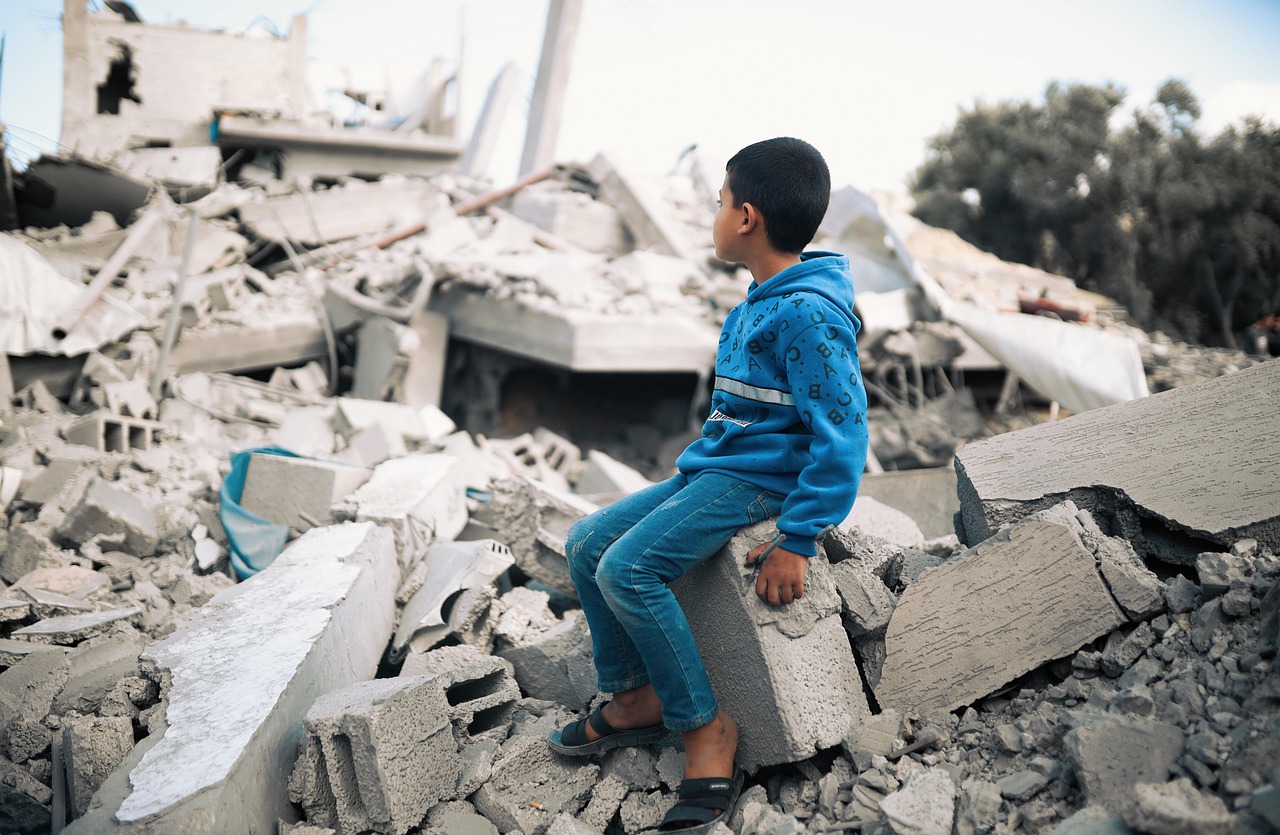
Humanitarian conditions in Gaza have improved slightly since the October ceasefire but remain severe as winter weather, limited aid access and widespread war damage continue to strain civilians, aid agencies said.
Gaza health authorities say 424 people have been killed and 1,199 wounded since the ceasefire, with Israel and Hamas accusing each other of violating the truce. Cold weather has compounded hardships, with authorities reporting three deaths from exposure, including a two‑month‑old infant.
Residents say flooding has repeatedly damaged makeshift shelters. “All the tarps were pulled outside. The bedding is soaked,” said Om Mohammed, a Gaza City resident.
Aid deliveries have increased since the ceasefire, easing food shortages. The UN Office for the Coordination of Humanitarian Affairs said January food assistance now meets minimum caloric needs for the first time since October 2023. Some staple foods briefly fell below pre‑war prices as limited commercial imports resumed.
No areas of Gaza are currently classified as in famine, but the UN says conditions remain “extremely fragile.” More than 1.6 million people are projected to face extreme food insecurity. Between Oct. 10 and Dec. 16, Israeli authorities rejected about 9,000 tons of aid from entering the enclave, OCHA said.
The aftermath of the conflict continues to pose risks. The UN reported three explosive‑ordnance incidents causing casualties on Dec. 18, and mine‑action officials warn of extensive contamination. Waste‑management systems have suffered an estimated 66 million dollars in damage, leaving garbage and sewage accumulating in streets and raising disease concerns.