
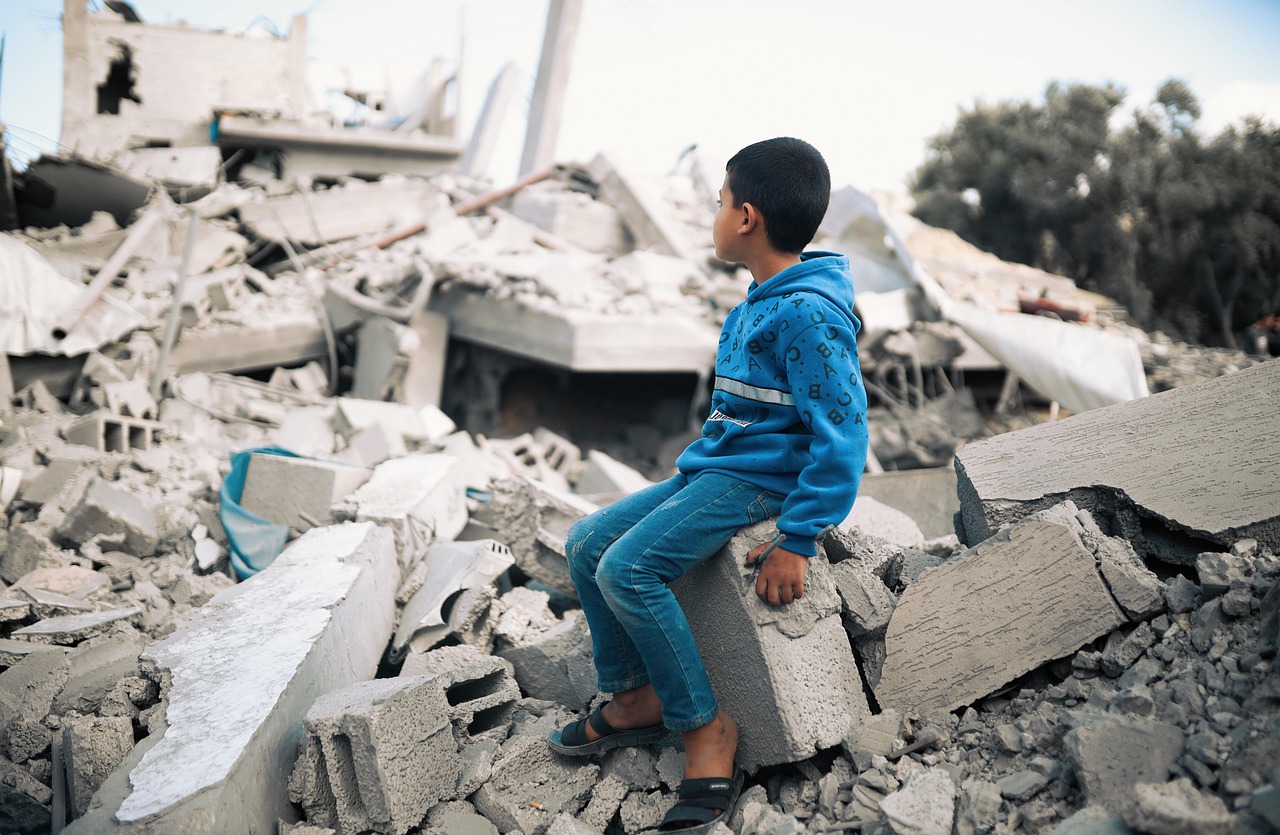
About 1.6 million people in the Gaza Strip — more than three-quarters of the population — are projected to face extreme levels of acute food insecurity and critical malnutrition, U.N. Secretary-General Antonio Guterres said Friday.
Guterres told reporters famine “has been pushed back” as the United Nations and its partners prepare more than 1.5 million hot meals a day and deliver general food assistance across Gaza.
He said clean water is reaching more communities, some health facilities have reopened and emergency support followed recent winter storms.
“These gains are fragile — perilously so,” he said.
Guterres said the United Nations has worked since October to keep aid routes open, but needs are rising faster than assistance can enter.
He called for a durable cease-fire, more crossings, the lifting of restrictions on critical items, safe routes inside Gaza, sustained funding and unimpeded humanitarian access.
He also pointed to what he called a rapidly deteriorating situation in the West Bank, citing escalating settler violence, land seizures, demolitions and tighter movement restrictions.
International law, including humanitarian and human rights law, must be upheld across the occupied Palestinian territory, he said.
Guterres said the International Court of Justice’s Oct. 22, 2025, advisory opinion made clear that Israel is obligated to allow and facilitate humanitarian aid, cooperate with the United Nations and respect the privileges and immunities of U.N. personnel.


