
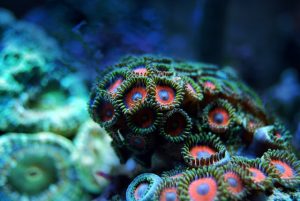
Coral reefs do more than provide habitat for marine life; they also help set daily activity patterns for nearby microbes, according to a recent study released by the Hebrew University of Jerusalem.
The research, published in Science Advances, monitored microbial communities above a reef in the northern Gulf of Aqaba in the Red Sea and compared them with those in nearby open waters during both winter and summer. The team found that reef waters consistently contained fewer bacteria and microalgae, suggesting that reef organisms actively remove them.
Researchers also observed that Symbiodiniaceae — a family of algae that live in symbiosis with corals — peaked around midday, reflecting daily cycles tied to light and coral metabolism.
The study found that these day‑night microbial rhythms were often stronger than seasonal shifts, underscoring the importance of time of day when assessing reef ecosystems.
Scientists say the findings could help develop new ways to monitor reef health as oceans continue to warm and change.