
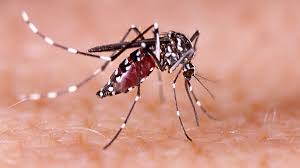
Israeli, German and French scientists have unveiled a genetic technique that makes it easier to distinguish male from female mosquitoes, a step they say could strengthen global efforts to curb mosquito‑borne diseases.
The method, published last month in Nature Communications, uses CRISPR gene editing to alter pigmentation.
Male mosquitoes are bred with dark coloring, while females remain pale yellow, creating a clear visual difference that speeds sorting.
Current sex‑separation methods rely on size differences in larvae, a slow and error‑prone process that sometimes allows biting females to slip through.
Only females transmit diseases such as dengue, Zika and chikungunya.
Researchers said the new strain is stable and safe. Eggs laid by yellow females dry out quickly, preventing survival in the wild.
The approach, they added, could provide scalable tools for large‑scale mosquito control programs that release sterile males to reduce populations.


