
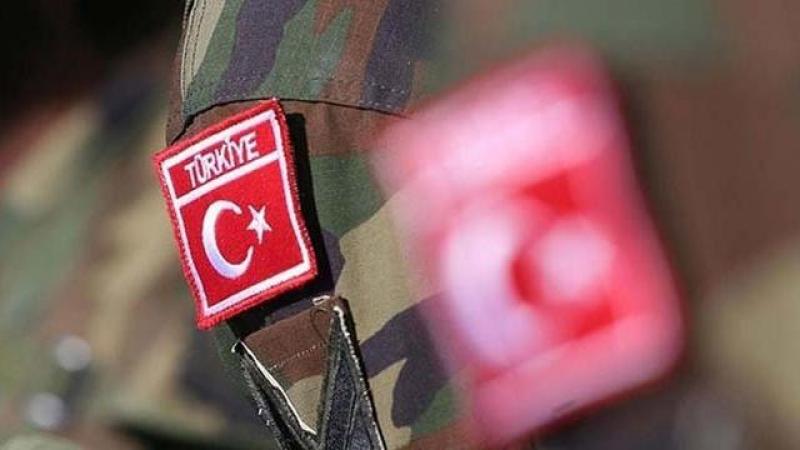
ANKARA – The military coup carried out on Sept. 12, 1980, under the codename “Operation Flag,” marked a turning point in Turkey’s political history, following months of covert planning and rising unrest.
The initial attempt came on July 11, 1980, when military commanders were issued operational orders. However, the move was postponed after then-Prime Minister Süleyman Demirel secured a vote of confidence in parliament.
In the early hours of Sept. 12, the coup was executed. General Kenan Evren, Chief of the General Staff, announced the takeover in a radio broadcast, plunging the country into a period of military rule.
Evren, along with Land Forces Commander Gen. Nurettin Ersin, Air Forces Commander Gen. Tahsin Şahinkaya, Naval Forces Commander Adm. Nejat Tümer, and Gendarmerie Commander Gen. Sedat Celasun, formed the National Security Council, which seized all governing authority.
The junta suspended the constitution, dissolved parliament, and halted the activities of trade unions and professional associations. Martial law was declared nationwide.
Civil society organizations were also targeted. All associations except the Turkish Aeronautical Association, the Child Protection Agency, and the Red Crescent were shut down.
The coup ushered in years of repression, censorship, and sweeping political restructuring. Its legacy remains deeply contested in Turkey’s democratic narrative.