Charging points near 49,000 nationwide as peak demand hits during evening rush hour, weekend usage climbs
Electric vehicle owners in Turkey carried out more than 3.5 million charging sessions in August, according to figures from the country’s Energy Market Regulatory Authority (EPDK), as the network of charging infrastructure and electricity consumption in the sector continued to expand.
Charging network operators recorded 3,527,070 sessions across the country during the month, drawing a total of 97,469 megawatt-hours of electricity. Average consumption per session stood at 27.63 kilowatt-hours, with total charging time reaching 3,650,668 hours.
Hourly data showed peak demand occurred between 4pm and 5pm, when consumption reached 6,496 megawatt-hours, followed closely by the 5pm-6pm slot at 6,487 megawatt-hours and 6pm-7pm at 6,435 megawatt-hours — together accounting for 19,419 megawatt-hours consumed during the three-hour early evening window. The lowest hourly consumption came between 4am and 5am, at just 922 megawatt-hours.
Weekends saw the highest daily consumption, with 17,535 megawatt-hours used on Saturday and 17,280 megawatt-hours on Sunday. Among weekdays, Monday recorded the highest daily total at 14,995 megawatt-hours, while Tuesday saw the lowest at 11,064 megawatt-hours.
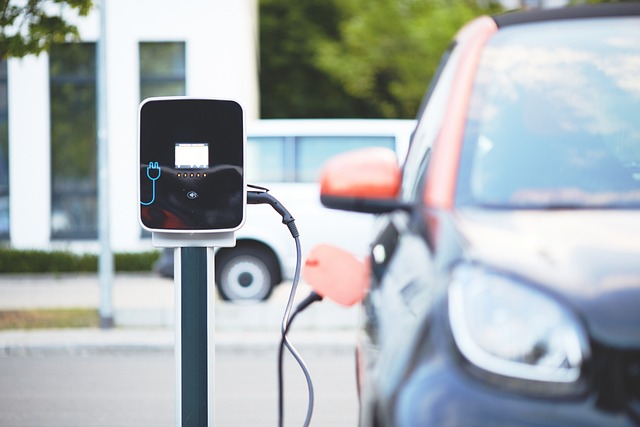
Turkey’s charging infrastructure also continued to grow, with the number of charging points reaching 48,649 nationwide, comprising 21,116 DC (fast) and 27,533 AC (slow) points. The regulator noted that the growth in DC fast-charging points in particular was allowing EV users to charge more quickly.
Of the total electricity consumed in August, 60,621 megawatt-hours — equivalent to 62.2% of the total — was drawn from stations certified under Turkey’s renewable energy guarantee scheme (YEK-G), meaning all the electricity used at those stations was generated from renewable sources.
The regulator said it was continuing to monitor consumption data on an hourly, daily and monthly basis to build a more comprehensive picture of how the charging network is being used, as part of its ongoing work to ensure adequate and sustainable charging infrastructure to meet the needs of EV users. The location, number of sockets, charging types and power levels, real-time availability, payment methods and pricing at charging stations across Turkey can be tracked live via EPDK’s Şarj@TR mobile app.