
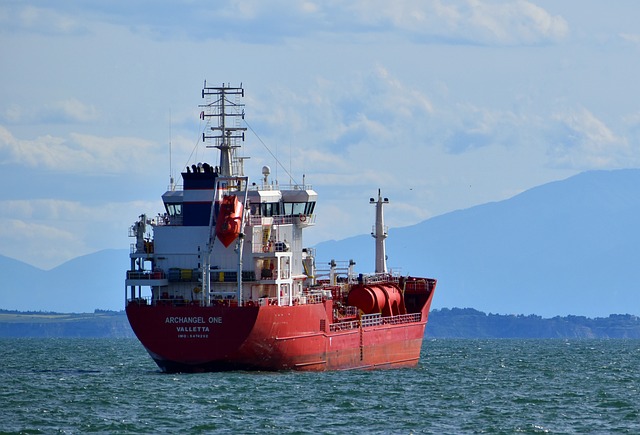
More than five months after the Iran-US war began, hundreds of ships remain unable to move through the Persian Gulf, with thousands of crew members trapped on board — and the UN’s maritime agency has warned that the psychological toll on those seafarers is mounting.
The vessels cannot simply be abandoned, and in many cases the staff aboard them have no means of leaving either.
Arsenio Dominguez, head of the International Maritime Organization, said the stranded crews were suffering from acute stress and fatigue, compounded by a sense that the world had moved on without them.
“They feel forgotten because when they turn on the media, all the headlines are about how petrol is going up, how this is affecting the global economy, how things cost three, four times the price that normally they will pay for it, and nobody talks about the seafarer,” he said.
“We need more countries to recognize them as key workers.”
Mr Dominguez described how those still trapped in the strait had been relying on one another to get through it, sharing supplies from ship to ship.
“What they really want people [to do] is to remember them,” he said.
The IMO, working with its national members, intends to support seafarers once the conflict ends and to maintain that support so they can resume their careers when they are ready. With up to 90 per cent of global trade transported by sea, the agency works to keep commercial shipping and international trade moving through war, piracy and geopolitical crises.