
Cyprus shivered through one of its coldest nights on record on this very day in 1960, when temperatures in Nicosia and Famagusta plunged below 0°C for the second night running — an icy shock for an island far more used to sunshine than frost.
Even the coast couldn’t escape the chill. Limassol and Larnaca barely scraped 1°C, while Paphos — normally the island’s warm corner — managed a modest 3°C. For many households, stone walls and thin windows offered little defence as the cold crept indoors.
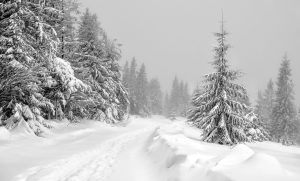
Forecasters at the time warned the cold snap would “continue for days”, and all eyes turned to the mountains. Up on Troodos, snow had been falling steadily since Thursday noon, turning the peaks into a winter postcard. Skiers rejoiced — but drivers were told bluntly that if the snowfall continued, roads would soon be impassable without chains or four‑wheel drive, a rarity in 1960 Cyprus.
Across the water, the weather was even more brutal. Turkey was in the grip of a deep freeze, with Ankara plunging to –20°C, lakes turning to solid ice and reports of wolves venturing into villages around Antalya in search of food.
For older Cypriots, the cold spell of February 1960 remains unforgettable — the winter the island turned white, the year the mountains felt Alpine, and the night Cyprus learned what real cold truly meant.