
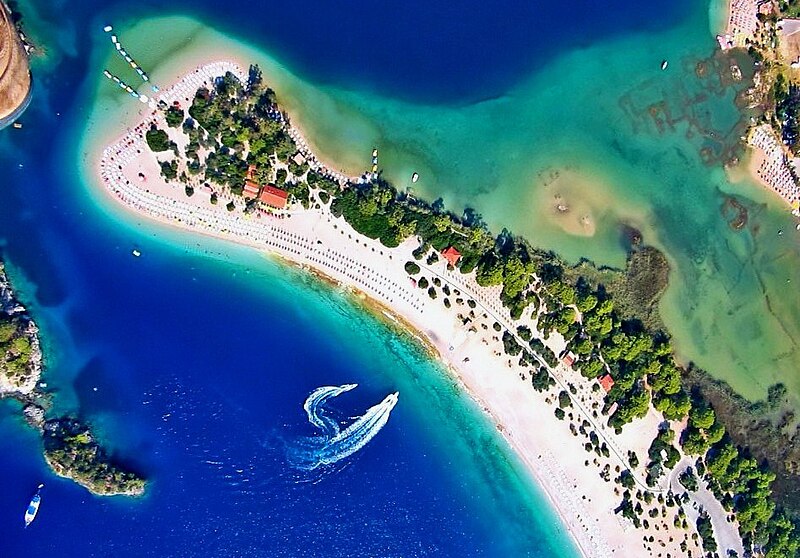
FAMAGUSTA GAZETTE – Industry leaders are urging Türkiye to adopt a more sustainable tourism model as record visitor numbers raise concerns about overcrowding and environmental strain, echoing challenges seen in global destinations.
In 2024, foreign arrivals surged by 12%, exceeding 58 million and providing a significant economic boost for Türkiye, where tourism is a vital revenue source, according to the Turkish Statistical Institute. Authorities aim to attract 65 million international tourists in 2025.
Known for its natural beauty, historic landmarks, and rich cultural heritage, Türkiye continues to see strong post-pandemic travel interest. However, rapid growth has triggered challenges, including infrastructure stress, environmental damage, and growing disconnection with local communities.
“Tourism can become too much of a good thing,” said Ayse Demir, manager of the Izmir-based agency Anatolia Horizons. “We’ve seen this happen in places like Rome or Paris—overcrowding, inflated rents, and frustrated residents. We want to avoid that.”
The Ministry of Culture and Tourism has made sustainability a priority under its 2022 five-year plan. By late 2024, over 1,000 facilities had been certified through the National Sustainable Tourism Program, which aims to align all accommodation providers with global sustainability standards by 2030.
“Sustainability is key,” said Kaan Sahinalp, Türkiye country manager for German travel group TUI. While businesses have implemented green practices such as solar energy use and waste reduction, “comprehensive regulation is needed to safeguard both urban and rural destinations,” he said.
In Istanbul, municipal authorities in 2024 launched a pilot project using geolocation data to manage visitor flows around key attractions like the Hagia Sophia and the Grand Bazaar.
Antalya, the Mediterranean province and Türkiye’s top tourism destination, hosted a record 17.3 million foreign visitors in 2024. Local officials project up to 20 million in 2025.
“Sustainable tourism is about balancing environmental protection, social inclusion, and economic benefits,” said Ercan Cek, vice president of the Professional Hotel Managers Association in Antalya. He advocates for supporting visitors and host communities while prioritizing quality over quantity.
Cek recommends a “growing by shrinking” approach—fewer rooms but higher standards. Authorities are also expanding protected areas and promoting low-impact travel options to attract environmentally conscious tourists.
“More clients now ask whether their trips support local communities, use renewable energy, or avoid overcrowded sites,” Sahinalp noted. “This shift in mindset is our opportunity.”


