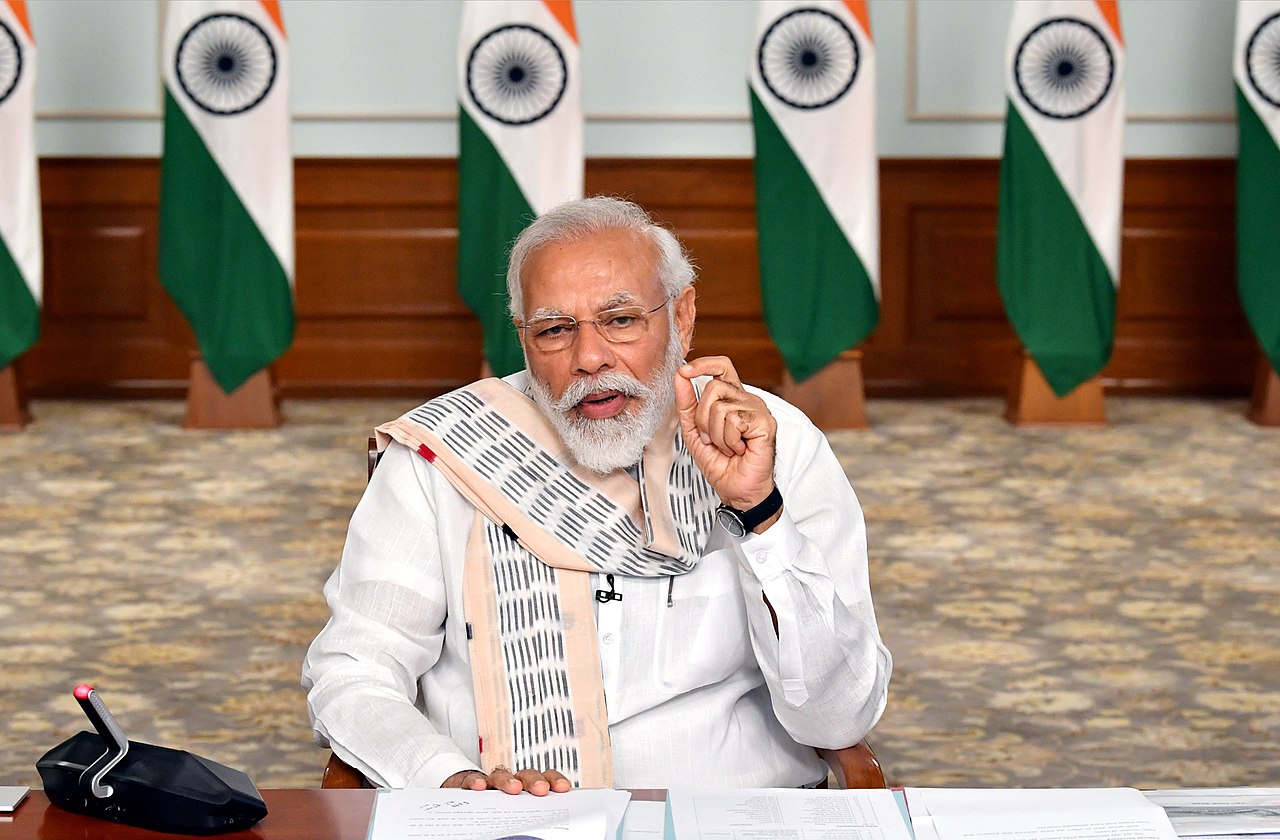

Cyprus can play a leading role in the Eastern Mediterranean’s response to the climate crisis, Energy Minister Michalis Damianou told an international climate‑crisis conference in Nicosia.
Speaking at the event, held under the Cyprus Presidency of the Council of the EU and co‑organized by the Cyprus Institute and the Deputy Ministry of Research, Innovation and Digital Policy, Damianou highlighted the island’s acute challenges — including its status as the EU’s only member state without an electricity interconnection. That isolation, he said, contributes to some of Europe’s highest power prices and leaves 15% of households facing energy poverty.
He presented the government’s strategy built on four pillars:
• Natural gas imports: Cyprus has acquired the FSRU ETYFA Prometheus and completed its conversion. The LNG import terminal at Vasilikos (CyprusGas2EU) is progressing, with a tender expected in the coming months. LNG use is expected to cut power‑generation emissions by 20–30%.
• Expansion of renewables and storage: More than 300 MW of grid‑scale battery storage is under development, with projects totaling about 1.2 GW / 3.45 GWh under evaluation. Renewables currently account for 14.5% of electricity generation and 21% of final energy consumption.
• Integration with European energy networks: Cyprus is moving ahead with physical interconnections to strengthen energy security and reduce isolation.
• Modernization of the electricity market: A competitive electricity market launched on Oct. 1, 2025. Smart‑meter installations have reached 273,000 and are expected to rise to 700,000 by 2026.
Damianou said Cyprus aims for 33.17% renewables by 2030, alongside major efficiency gains and a shift to zero‑emission buildings. He also pointed to policies supporting green industry, innovation and the future use of green hydrogen.
He emphasized regional cooperation — including agreements with Egypt and partnerships with major energy companies — as key to strengthening Cyprus’ role as a stable energy hub.
Despite challenges, he said, Cyprus is using its vulnerabilities as a catalyst for reform and investment, bringing the country closer to a resilient and sustainable energy future.